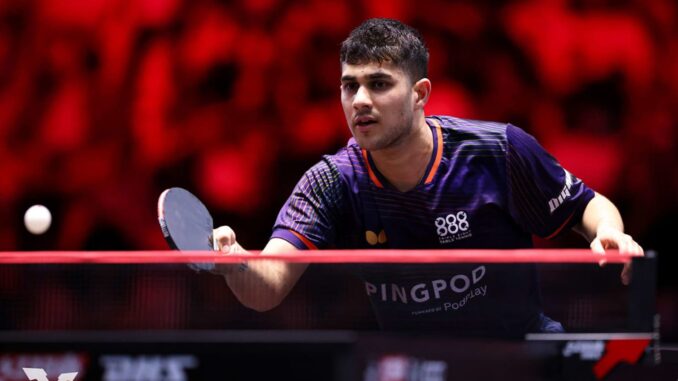
The recent announcement by USA Table Tennis (USATT) regarding the national team selection for the ITTF World Table Tennis Championships Finals in Doha 2025 has left fans and analysts buzzing — and not in a good way. What should have been a celebration of athletic talent and strategic preparation for a global showdown has instead turned into a full-blown controversy. Many are calling this year’s lineup one of the most politically charged and short-sighted in recent memory.
At the heart of the issue is the USA Table Tennis Team 2025 Controversy — the surprising exclusion of several high-performing young athletes who have dominated the national circuit over the past year. Promising talents like 18-year-old phenom Lily Zhang Jr. and breakout star Marcus Tran, both of whom showed exceptional form during the U.S. Nationals and international events, were notably absent from the final roster.
In their place? Veterans whose recent performances have been lukewarm at best. While experience is undeniably valuable on the world stage, critics argue that it shouldn’t come at the cost of current form and undeniable upward momentum. “This isn’t just about age — it’s about sending the best players to represent the country. Right now, we’re not doing that,” said one former national coach who spoke under condition of anonymity.
USATT’s selection committee has offered only vague explanations, citing “a balanced approach to team chemistry and international experience.” But for many, this rings hollow. Social media erupted within hours of the announcement, with hashtags like #USATTScandal and #LetThemPlay trending among table tennis fans.
This isn’t the first time the organization has faced accusations of favoritism and opaque decision-making. Over the past few years, USATT has been criticized for its lack of transparency in team selections and for undervaluing youth development in favor of name recognition. The 2025 lineup appears to be the latest example of this frustrating pattern.
Beyond the controversy itself lies a deeper concern: what message does this send to young athletes? The U.S. has made notable strides in developing a strong youth pipeline, with initiatives aimed at cultivating talent from the grassroots to the global stage. But when rising stars see their performances go unrewarded, it risks undermining the credibility of the entire system.
“This is a wake-up call for USATT,” said Amy Chen, a sports columnist and former national player. “The world is watching. Doha 2025 could have been a platform to showcase the next generation. Instead, we’ve doubled down on the past.”
It remains to be seen how Team USA will perform at the ITTF World Table Tennis Championships in Doha. Perhaps the experience of veteran players will pay off, silencing critics and delivering results. But if the team falls short, questions about what could have been will grow louder — and more painful.
For now, the decision has created a rift within the American table tennis community. It has cast a shadow over what should have been a unifying moment of pride. More importantly, it has opened the door for long-overdue conversations about fairness, merit, and the future direction of table tennis in the United States.
As fans gear up for Doha, one thing is clear: the controversy won’t be forgot
ten any time soon.

Leave a Reply